by mguay | Jul 26, 2026 | NestJS, Post
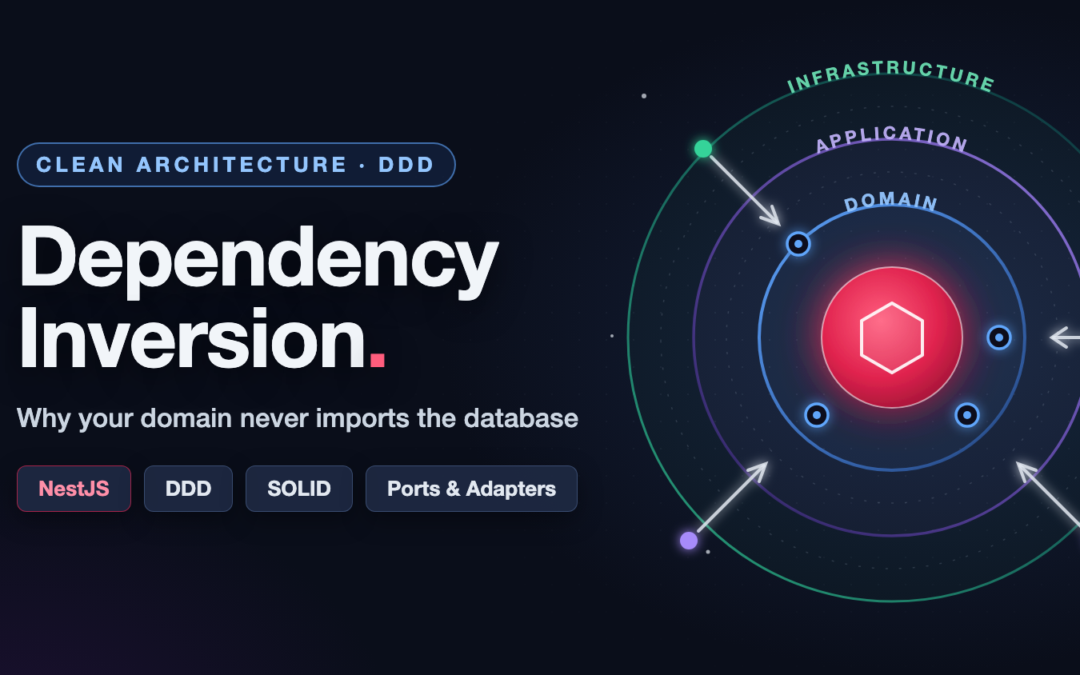
If you’ve ever inherited a codebase where business rules live inside route handlers, validation is copy-pasted across three controllers, and switching databases would mean a six-month rewrite — this article is for you. Clean Architecture, Domain-Driven Design...
by mguay | Jun 13, 2026 | NestJS, Post, React
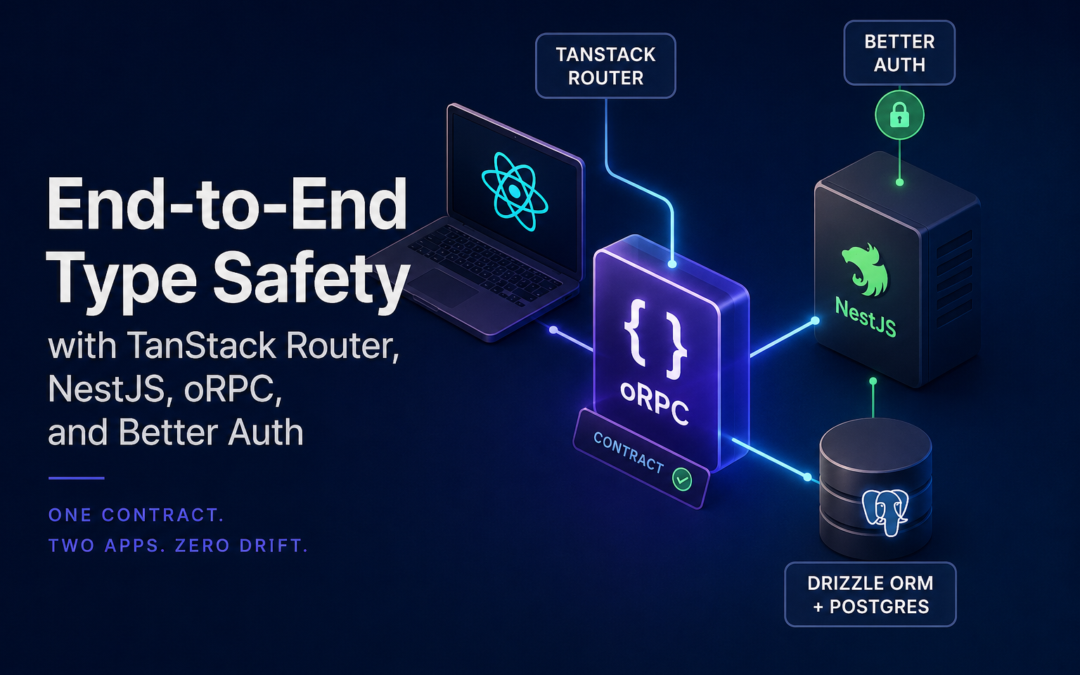
I’ve built the same little CRUD app a dozen times to try out stacks. This time I wanted one thing above all else: a single source of truth for the API that the server and the client both compile against. Change a field, and both ends refuse to build until they...

by mguay | Apr 13, 2026 | DevOps, NestJS, Post
We recently enabled gzip compression in front of one of our NestJS services using Istio, and the improvement was immediate. The biggest win was on larger JSON responses. Our API was returning payloads that were fairly repetitive and very compressible, so once gzip was...

by mguay | Dec 27, 2025 | NestJS, Post, TanStack
Introduction In modern full-stack development, maintaining type safety across frontend and backend can be challenging. Different teams might duplicate type definitions, leading to inconsistencies and runtime errors. In this guide, we’ll explore how to create a...

by mguay | Oct 29, 2025 | NestJS, Post
Writing Clean, Decoupled Code with the Strategy Pattern One of the biggest signs of a mature backend developer is understanding how to decouple high-level business logic from low-level implementation details. That’s exactly what the Dependency Inversion Principle...
by mguay | Sep 3, 2025 | NestJS, Post
When building APIs, especially for payments or operations that modify state, you want to avoid executing the same request multiple times if the client retries. Stripe popularized the concept of idempotency keys: clients attach a unique key to a request, and the server...